

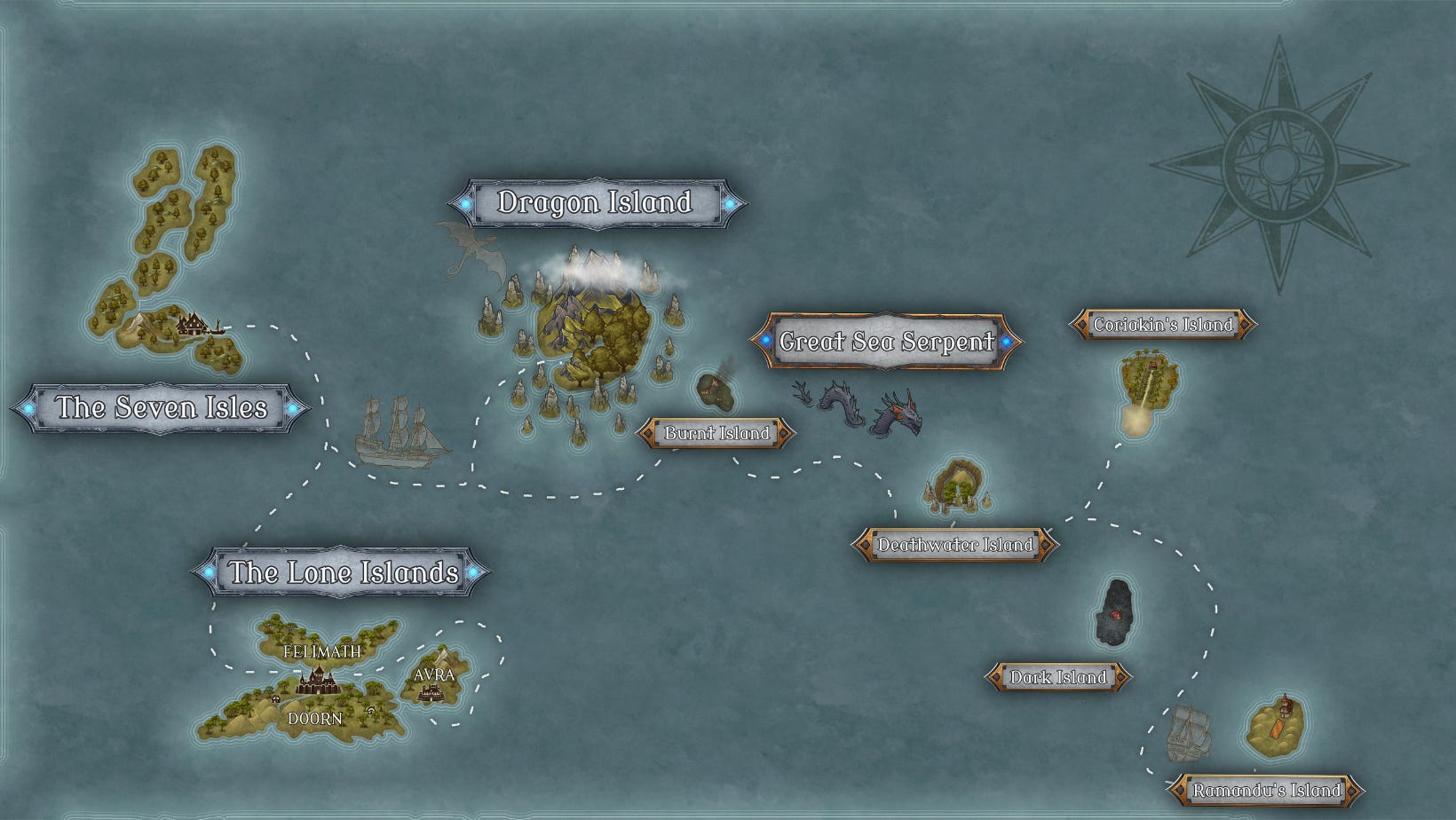
C.S. Lewis, when speaking of Narnia, describes how he felt that fiction, and children’s stories in particular, could “steal past those watchful dragons” of religiosity that for many make faith seem such a dead and implausible prospect. And boy, was he right! For generations, children young and old have cheered to Puddleglum’s defiance of the Green Witch, or wept with Digory when it seemed all hope was lost, or rejoiced in the transformations of Edmund and Eustace, or were comforted with Lucy. Those of us who grew up reading and rereading the stories know the treasure they provide for living out the Christian faith.
But Lewis did so much more than provide rich images of Christian discipleship that we can live into: he also encapsulated and imaged forth the high doctrines of our faith, the deep mysteries before which reason trembles in both trepidation and excitement. In his hands, the words of our doctrines take on literary flesh.
The Classical Mind’s own Junius Johnson has been working on a project drawing out the deeper theological significance of the Narnia books, especially The Voyage of the Dawn Treader. On Thursday, October 15 at 5:30 CT, he will present a free webinar presenting some of this work. He will begin by describing what theological reading of texts like Narnia looks like, and consider what Lewis himself might have thought about the method. Then he will demonstrate it by diving deep into one of the most theologically rich episodes in the text: the transformation of Eustace into a dragon, and his return to being a boy.
Registration is free but required. Go to https://academics.juniusjohnson.com/courses/theology-vdt/ to learn more and sign up!